1. Using AI for Branding
A strong brand begins with a clear identity. AI can help you develop and
organize ideas before you start designing.
Brand Name Ideas
AI can generate potential business names based on:
- Industry
- Target customers
- Location
- Brand personality
- Products or services
- Language and cultural influences
For example, a company selling premium agricultural products could ask AI
to generate brand-name concepts that communicate
quality, trust, nature, and African origin.
AI can produce many ideas quickly, but the final name should be checked
for availability, pronunciation, cultural meaning, domain availability,
and trademark conflicts.
Brand Positioning
AI can also help define what makes a brand different.
"Help me develop a brand positioning strategy for a premium cashew
company targeting international buyers. Identify the target audience,
brand promise, key differentiators, tone of voice, and customer
benefits."
This gives you a starting framework that you can refine based on real
market knowledge.
Brand Personality and Voice
Your brand should sound consistent across websites, packaging, social
media, advertisements, and customer communication.
AI can help create a brand voice such as:
Professional + Trustworthy + Modern + Approachable
You can then use this voice when creating website text, product
descriptions, advertising messages, and social media posts.
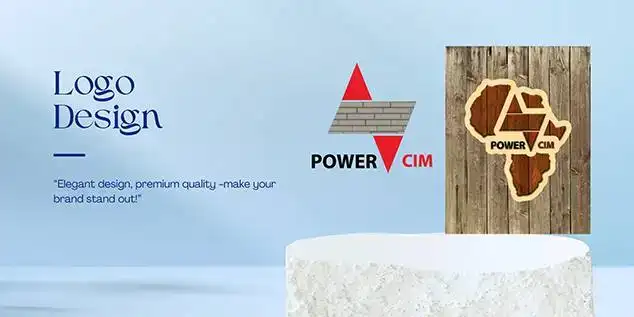
2. Using AI for Logo and Visual Identity Ideas
AI can be useful during the concept stage of visual
identity.
Instead of immediately asking AI to create a final logo, use it to
explore different creative directions.
"Generate five visual concepts for a modern African agricultural brand.
The identity should communicate trust, quality, sustainability, and
international standards."
AI-generated concepts can help you explore:
- Symbols
- Shapes
- Visual metaphors
- Typography directions
- Color ideas
- Brand styles
A professional designer should then refine these ideas and create the
final identity system.
The important point is that
AI-generated concepts are starting points, not automatically
finished branding.
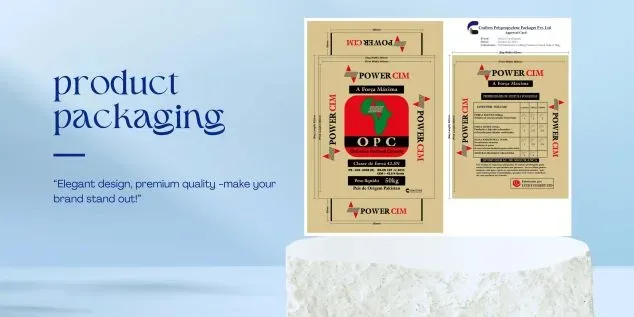
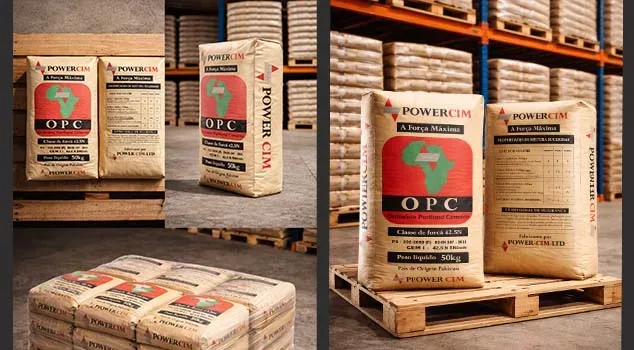
3. Using AI for Packaging Design
Packaging is one of the most interesting areas where AI can support
designers.
A packaging project usually involves several decisions:
Product → Customer → Positioning → Visual Identity
→ Information Hierarchy → Packaging Format → Final Artwork
AI can assist at almost every stage.
Packaging Concept Development
Suppose you are creating a rice package. You can ask AI:
"Develop three packaging concepts for a premium 25 kg rice product
targeted at African families. The design should communicate quality,
cleanliness, reliability, and affordability."
AI can help generate different creative directions.
Concept 1: Premium
Minimal typography, elegant imagery, limited colors, and strong product
photography.
Concept 2: Family
Warm colors, food photography, and messaging focused on family meals.
Concept 3: Agricultural
Natural visual elements, rice fields, farmers, and a strong connection to
local production.
The designer can then select the strongest direction and create the
actual packaging artwork.
4. AI for Packaging Copy
Packaging has limited space, so every word matters.
AI can help generate:
- Product descriptions
- Taglines
- Benefits
- Instructions
- Promotional messages
- Short marketing statements
For example:
"Create five short packaging taglines for a premium rice brand. The
tagline should communicate quality and trust and be easy to remember."
Instead of manually creating dozens of ideas, AI can produce multiple
options that you can review and improve.
Important Packaging Warning
Do not blindly copy AI-generated information onto packaging.
Product claims, ingredients, nutritional information, weights,
certifications, legal statements, and other regulated information should
always be verified before printing.
5. Using AI for Content Creation
Once your brand and packaging are ready, AI can help turn your ideas into
marketing content.
One product can generate many pieces of content.
Example: A New Rice Product
-
Blog article:
"How to Choose Quality Rice for Your Family"
-
Facebook post:
"Looking for clean, quality rice for everyday meals?"
-
Instagram caption:
"Good meals begin with good ingredients."
-
Website product description:
A detailed explanation of the product's benefits and features.
-
Email marketing:
A product launch announcement.
This allows a small business to maintain a consistent content schedule
without starting from zero every time.
6. Creating a Content Calendar with AI
Consistency is more important than publishing hundreds of random posts.
AI can help create a monthly content calendar based on your business
goals.
Example Monthly Schedule
Week 1
Brand story
Week 2
Product education
Week 3
Customer problem and solution
Week 4
Behind-the-scenes content
You can also ask AI to create different content formats around one main
topic.
For example, one article about packaging could become:
- A LinkedIn post
- A Facebook post
- An Instagram carousel
- A short video script
- A Pinterest pin
- An email newsletter
This process is called content repurposing.
7. AI for Social Media Content
AI can help brainstorm hooks, captions, headlines, and content ideas.
For example:
"Give me 20 social media post ideas for a packaging design studio
targeting small African businesses."
The results could include topics such as:
- Common packaging mistakes
- Before-and-after redesigns
- Color psychology
- Packaging trends
- Product photography tips
- How packaging influences customer decisions
You can then turn the best ideas into original content using your own
experience and expertise.
8. AI for Design Research
AI can also speed up research.
Before creating a brand or package, you can ask AI to help identify:
- Target customer characteristics
- Competitor positioning
- Common industry terminology
- Possible visual themes
- Customer pain points
- Content topics
However, research generated by AI should be treated as a starting point.
Important facts should be checked against reliable sources and real-world
market information.
9. AI Does Not Replace the Designer
One of the biggest misconceptions about AI is that it can automatically
produce a professional brand.
A successful brand is not simply a logo.
Strategy + Positioning + Identity + Packaging + Communication +
Customer Experience
AI can accelerate many parts of this process, but a designer still needs
to understand:
- Composition
- Typography
- Color
- Branding strategy
- Printing
- Packaging production
- Customer psychology
- Cultural context
The designer's role is becoming less about producing every idea manually
and more about directing, selecting, refining, and applying ideas
effectively.
10. A Simple AI Workflow for Small Businesses
-
Research:
Use AI to understand the target market and customer.
-
Strategy:
Develop positioning, brand personality, and key messages.
-
Creative Concepts:
Generate ideas for logos, packaging, colors, imagery, and campaigns.
-
Human Design:
Create the actual brand identity and packaging artwork.
-
Content Creation:
Use AI to develop articles, captions, product descriptions, and
campaigns.
-
Review:
Check accuracy, originality, brand consistency, and legal requirements.
-
Publish and Measure:
Publish the content and monitor customer response.
The Future of AI and Design
AI is making professional design and marketing more accessible to small
businesses. A company that previously needed several people to brainstorm,
write, research, and develop marketing materials can now accomplish much
of the early-stage work with a small team.
The opportunity is not to let AI do everything.
The opportunity is to use AI to
work faster, explore more ideas, reduce repetitive work, and spend more
time on creative and strategic decisions
.
The winning combination is simple:
AI for speed.
Human creativity for originality.
Design expertise for quality.
Business strategy for results.
For designers and small businesses, learning how to use AI effectively is
no longer just a technology skill. It is becoming an important part of
modern branding, packaging, and content creation.